If you are new to the world of keeping plants and reptiles, you have likely heard the terms "vivarium" and "terrarium" thrown around interchangeably. You might see a beautiful glass enclosure full of moss and ferns labeled as a terrarium on Instagram, while a forum user calls the exact same setup a vivarium. It’s confusing, frustrating, and honestly, it makes planning your first build incredibly difficult.
Why does the distinction matter? Because calling a desert setup a "vivarium" might lead you to buy the wrong lighting, or calling a tropical bioactive enclosure a "terrarium" might mean you underestimate the humidity needs of your cleanup crew. Understanding the nuances between these two terms isn't just semantics—it’s the foundation of a healthy, thriving ecosystem.
In this guide, we are going to strip away the confusion. We will look at the etymology, the modern usage in the hobby, and the practical differences in humidity, substrate, and maintenance. By the end, you will know exactly which term describes your dream build and how to set it up for success.
What Is a Terrarium?
Let’s start with the word itself. "Terrarium" comes from the Latin terra (earth) and arium (a place of). Strictly speaking, it translates to "a place of earth." Historically, this term was popularized by Nathaniel Bagshaw Ward in the 1840s when he discovered that ferns could survive in sealed glass jars. Originally, a terrarium was almost exclusively a plant-only enclosure, designed to replicate a terrestrial environment on a small scale.
In the modern hobby—and specifically within the reptile and plant communities—a terrarium usually refers to a dry or semi-arid enclosure. While you can certainly have a "tropical terrarium" (which is where the lines blur with vivariums), the term is most often used to describe setups that do not rely on heavy water features or constant high humidity.
Common Terrarium Examples:
- Succulent Gardens: Open glass vessels containing jade plants, echeveria, and cacti. These require bright light and very little water.
- Desert Bioactive Setups: Enclosures for reptiles like Leopard Geckos or Bearded Dragons. These might include live plants, but the substrate is usually sand-based or arid mixes, and humidity is kept low (20-40%).
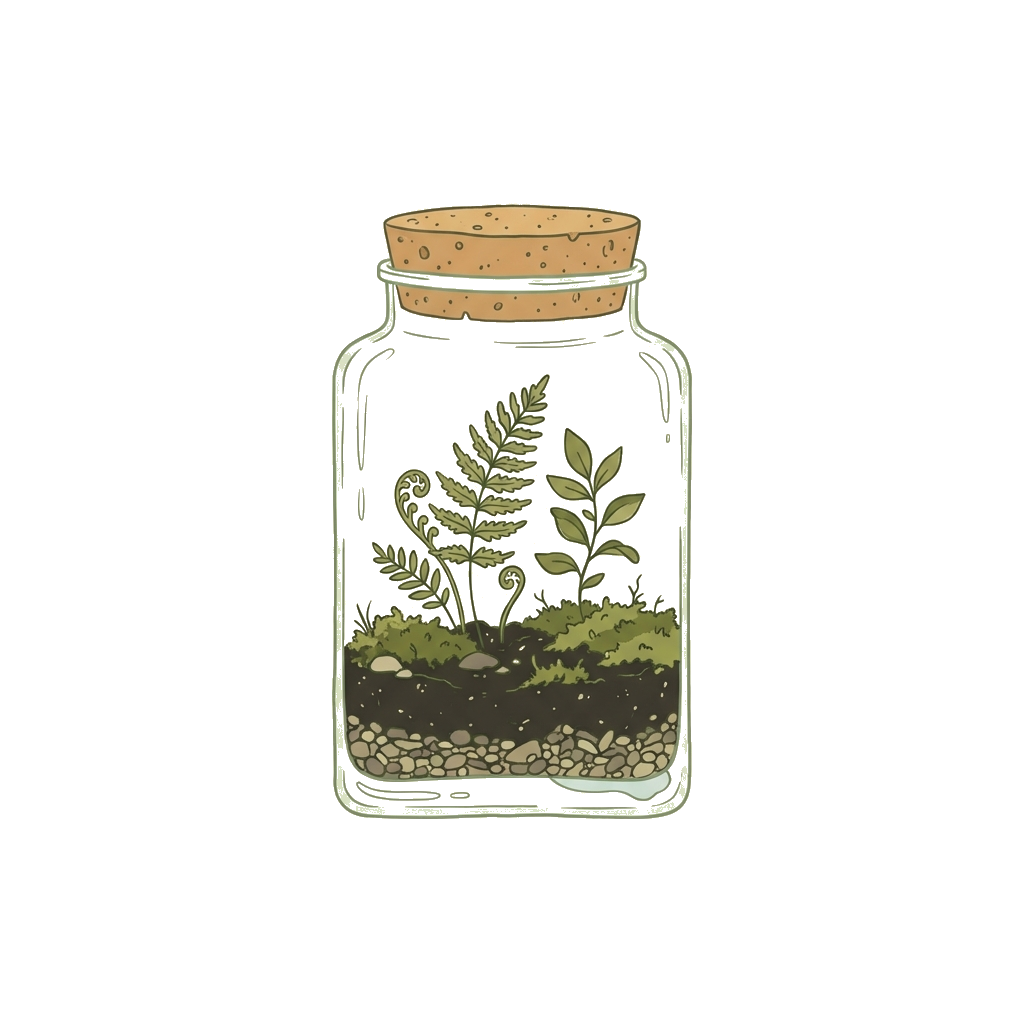
- Mood Moss Terrariums:Often found on desks, these are closed jars that create a water cycle, but even here, the focus is strictly on the plants, not animal inhabitants.
Pro-Tip: Lighting
Because terrariums are often drier, they are prone to overheating if you use the wrong lights. For plant-only terrariums, bright LED grow lights are best. For desert animal terrariums, halogen or basking bulbs are often used to create a heat gradient.
What Is a Vivarium?
If "Terrarium" means "place of earth," then "Vivarium" translates to "place of life" (viva or vivus meaning alive). This is a much broader term. Technically, an aquarium is a type of vivarium (an aquatic one). A terrarium is a type of vivarium (a terrestrial one). However, in common usage, when someone says they are building a "vivarium," they are almost always talking about a bioactive, tropical enclosure that houses animals.
The vivarium philosophy is centered on the ecosystem. It’s not just a cage with a water bowl; it’s a micro-habitat. A true vivarium includes live plants, a drainage layer, a substrate that supports decomposition, and a cleanup crew (isopods, springtails). The goal is to create a self-sustaining cycle where waste is broken down by the cleanup crew and used as fertilizer for the plants.
When hobbyists talk about vivariums, they are usually imagining dense foliage, mossy logs, cascading waterfalls, and high humidity.
Common Vivarium Examples:
- Dart Frog Vivariums: These are the gold standard. High humidity (80%+), heavy planting, and a robust cleanup crew are non-negotiable.
- Tropical Gecko Setups: Enclosures for Crested Geckos or Gargoyle Geckos. These require vertical space, plants like Pothos or Bromeliads, and moderate-to-high humidity.
- Paludariums: While a subtype, these are often grouped under the vivarium umbrella. They feature both land and water sections, accommodating semi-aquatic animals.
Key Differences at a Glance
To help you visualize the differences, let’s look at the hardware and care requirements side-by-side.
| Feature | Terrarium | Vivarium |
|---|---|---|
| Primary Focus | Plants or Arid Animals | Whole Ecosystem (Animals + Plants + Microfauna) |
| Humidity | Low to Moderate (20-50%) | High (60-90%) |
| Plants | Succulents, Cacti, Arid-tolerant ferns | Tropicals, Mosses, Bromeliads, Vining plants |
| Substrate | Sand, gravel, or basic potting soil | Layered bioactive substrate (drainage, screen, soil, leaf litter) |
| Ventilation | Often open or heavily vented to prevent rot | Balanced ventilation (high humidity but good airflow) |
| Maintenance | Low (watering sparingly, trimming) | Higher initially (setup), lower long-term (self-cleaning) |
| Water Features | Rare | Common (Waterfalls, ponds) |
What About Paludariums and Ripariums?
Just when you thought you had it figured out, more terms appear! These are essentially sub-categories of the vivarium concept, focusing on water.
A Paludarium is a setup that bridges land and water. Think of it as a swamp edge. You might have a water section at the bottom for fish or newts, and a land section above for plants or crabs. If you love water features and misting systems, this is your next step after mastering the standard vivarium.
A Riparium is different. It simulates a river bank. The focus here is on semi-aquatic plants that grow along the water's edge. There is usually no "land" area for animals to walk on; instead, planters hang off the back glass, and their roots grow into the water. It’s a stunning style for aquascaping enthusiasts.
So, Which Should You Build?
The decision comes down to what you want to keep and how much work you want to put in.
Choose a Terrarium if: You love the aesthetic of succulents and dry landscapes. You want a setup that is relatively simple to maintain and doesn't require daily misting. You are keeping desert reptiles, or you just want a low-maintenance piece of greenery on your desk.
Choose a Vivarium if: You are fascinated by the circle of life. You want to keep tropical animals like frogs or day geckos. You enjoy gardening and want to see mosses and ferns thrive. You are willing to invest time upfront to build a drainage layer and establish a cleanup crew so your maintenance is lower later.
Start Small
If you are unsure, don't build a 4-foot custom tank immediately. Start with a 10-gallon tank or a large glass jar. Try a simple bioactive vivarium with just plants and isopods before adding animals. It’s a great way to learn the ropes without the risk.
Conclusion
Whether you call it a vivarium or a terrarium, the goal is the same: to bring a piece of nature into your home. While the terrarium focuses on the earth and plants—often in drier conditions—the vivarium opens the door to the full complexity of life, integrating animals, plants, and microfauna into a wet, thriving ecosystem.
Don't get too hung up on the labels. If you build a healthy, happy environment for your plants or pets, you are doing it right. Explore our specific guides for Terrariums and Vivariums to get started on your specific project today.